Have you ever dreamed of exploring beautiful beaches, discovering charming cities, or experiencing a new culture but worried that traveling would cost too much?
The good news is that you don’t need a huge budget to see the world. With a little research, flexibility, and smart planning, you can find amazing destinations that fit your budget without sacrificing the experience.
Affordable travel is not always about choosing the cheapest place. It’s about finding destinations where your money goes further, allowing you to enjoy more experiences while spending less.
Whether you’re planning your first international trip, looking for a quick weekend getaway, or dreaming of your next adventure abroad, this guide will help you discover affordable travel destinations and make the most of your travel budget.
1. Be Flexible With Your Destination
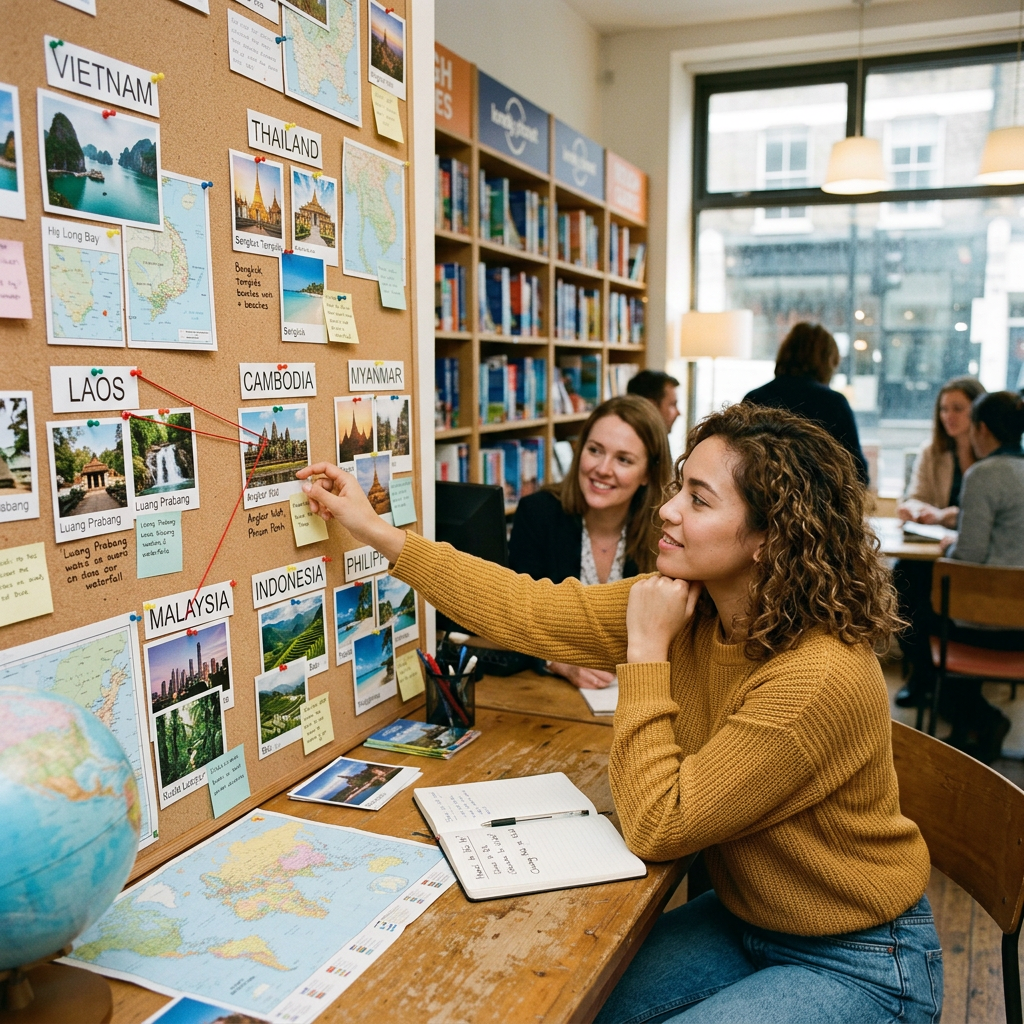
One of the easiest ways to find affordable travel destinations is to keep an open mind about where you want to go.Instead of deciding on one specific country, start by researching several destinations that offer the experiences you’re looking for. If you love beaches, compare different coastal destinations. If you’re interested in culture, food, and history, explore cities known for their affordable local experiences.
For travelers based in the Philippines, destinations across Southeast Asia can be a great starting point. Countries such as Vietnam, Thailand, Malaysia, and Indonesia offer a variety of cultural attractions, food experiences, and beautiful landscapes. The key is to compare the total cost of visiting each destination rather than choosing based on popularity alone.
Travel Tip: Make a shortlist of three to five destinations and compare flight prices, accommodations, transportations, food and activities before making decision.
2. Travel During the Off-Season
Traveling during peak season can significantly increase your expenses. Flights and hotel rooms often become more expensive during school holidays, major festivals, and popular vacation periods. If your schedule allows it, consider traveling during the shoulder season or less popular months for your destination.
Shoulder season is the period between peak and off-peak travel seasons. During this time, you may still enjoy pleasant weather, fewer crowds, and more reasonable accommodation prices. Before booking, research the destination’s climate, local holidays, and seasonal attractions. The cheapest month may not be the best choice if heavy rain, extreme temperatures, or transportation disruptions could affect your trip.
Travel Tip: Compare prices across several dates instead of automatically booking during weekends or holidays. Even shifting your departure by a few days can sometimes make a difference.
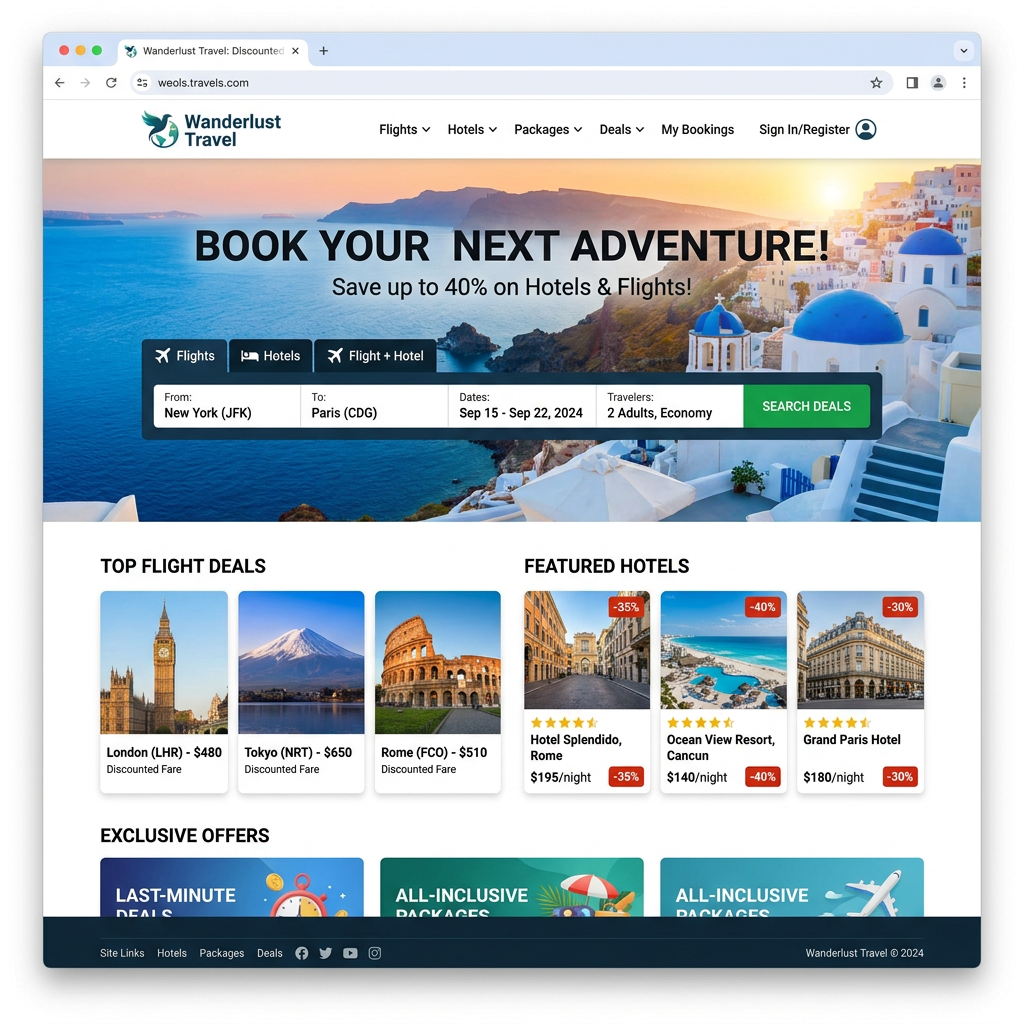
Airfare can take up a large portion of your travel budget, especially when traveling internationally. That’s why comparing flights should be one of your first steps when planning a trip. Flight comparison websites and airline booking platforms allow you to check different airlines, departure dates, and routes in one place.
When comparing flights, pay attention to more than just the advertised ticket price. Consider baggage allowances, seat selection fees, airport transfers, layovers, and arrival times. A flight that looks cheaper initially may cost more after additional fees. You can also look for nearby airports, alternative travel dates, and promotional fares. However, always review the final price and booking conditions before paying.
Travel Tip: Set fare alerts for travel destinations you’re interested in. This can help you monitor price changes and decides when a fare fits your budget.
4. Choose Destinations Where Your Money Goes Further
Some destinations offer excellent value because accommodation, food, public transportation, and everyday activities are relatively inexpensive. When researching a destination, look beyond its reputation as a cheap place to visit. Consider what you can realistically afford there.
For example, a destination with inexpensive meals but costly hotels and flights might not be as affordable as it first appears. Meanwhile, a city with slightly more expensive food but affordable accommodation and free attractions could offer better overall value. Look into the average daily cost of traveling, including:
Accommodation
Food and drinks
Local transportation
Entrance fees and tours
Internet access and other essentials
Travel insurance and visa-related expenses, if applicable
Estimate your daily spending before choosing your destination. This will help you avoid unexpected costs and determine whether a trip is genuinely affordable.
5. Explore Lesser-Known Destinations
Popular destinations are famous for a reason, but they can also come with higher prices, especially in busy tourist areas. Consider exploring smaller cities, less crowded islands, or emerging destinations that offer memorable experiences without the same level of tourist demand.
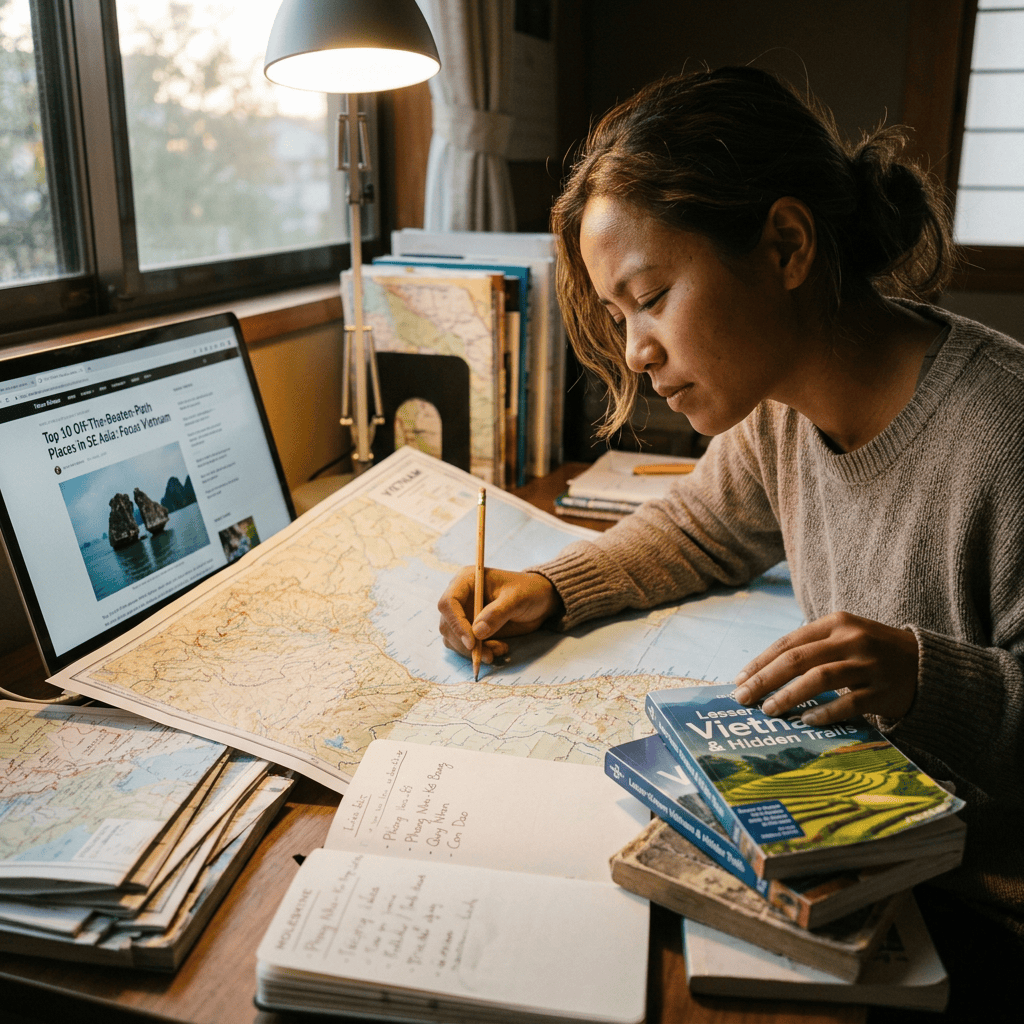
Instead of staying in a country’s most expensive city, research nearby towns with convenient transportation links. You might discover beautiful scenery, local food, historical landmarks, and authentic cultural experiences at more reasonable prices. For example, travelers visiting Vietnam might compare the costs of different cities rather than focusing exclusively on the most famous destinations. Each place has its own character, attractions, and travel expenses.
Remember that lesser-known does not automatically mean cheaper. Check transport connections, accommodation availability, and the cost of getting around before making a decision.
Travel Tip: Search for destinations based on the experience you want, not just the places trending on social media.
6. Research Accommodation Before Booking
Hotels in popular tourist districts are often convenient, but they may not offer the best value. Depending on your travel style, hostels, guesthouses, budget hotels, serviced apartments, or vacation rentals may be more affordable alternatives. Compare accommodation based on the total cost of your stay, including taxes, cleaning fees, deposits, and other charges.
Location matters, too. A cheap hotel far from the city center might require expensive daily transportation. Sometimes paying slightly more for a centrally located room can save you money in the long run. Read recent reviews and check safety, cleanliness, accessibility, and cancellation policies before booking.
Travel Tip: If you’re traveling with family or friends, compare the cost of one larger room or apartment with price of booking multiple hotel rooms.
You don’t need to spend money on expensive tours every day to have an unforgettable vacation. Many destinations offer free or inexpensive activities that allow you to experience the local culture and scenery. Depending on where you travel, you might enjoy:
Walking through historic neighborhoods
Visiting public parks and gardens
Exploring local markets
Relaxing on public beaches
Discovering temples and cultural landmarks that are free to enter
Joining free walking tours, where available
Watching sunsets from scenic viewpoints
Attending community events and festivals
Research activities before your trip and create a flexible itinerary that balances paid attractions with free experiences. Also, check whether museums or cultural attractions offer discounted admission on certain days. If you plan to visit several paid attractions, compare individual tickets with official city passes to see which option offers better value.
The best travel memories often come from simple experiences, such as trying a local dish, getting lost in a charming street, or talking to people you meet along the way.
8. Eat Like A Local
Food is an important part of discovering a new destination, but restaurant expenses can quickly add up. One way to save money is to explore local eateries, food markets, neighborhood restaurants, and affordable street food vendors with good hygiene practices.
These places can offer delicious meals at lower prices than restaurants catering primarily to tourists. You can also save by choosing accommodation with breakfast included or access to a kitchen, depending on your travel needs.
Before visiting, research local specialties and typical meal prices so you can estimate your daily food budget. Of course, saving money doesn’t mean skipping every restaurant experience. Set aside some money for a special meal or a dish you’ve always wanted to try.
Travel Tip: Ask trusted local sources or recent travelers where they recommend eating. You may discovering excellent food beyond the busiest tourist streets.
9. Use Public Transportation
Transportation costs can become surprisingly expensive, particularly when you rely on taxis or private transfers for every journey. Before booking a destination, check whether it has a reliable and affordable public transportation system.
Buses, trains, metro systems, and public ferries can often help you explore a city for less. Some destinations also offer travel cards or passes that reduce the cost of multiple journeys. If you plan to visit several attractions in one day, group nearby locations together to minimize unnecessary travel. However, consider convenience and safety when traveling late at night or carrying heavy luggage. The cheapest option is not always the most practical.
Travel tip: Download offline maps and learn how to reach your accommodation from the airport before arriving. This can help you avoid unnecessary expenses and confusion.
Travel promotions can help you reduce the cost of flights, accommodation, and activities. Follow airline announcements, subscribe to fare alerts, and compare accommodation offers across reputable booking platforms. You can also check official tourism websites for attraction discounts and seasonal promotions.
Before purchasing a travel package, compare its price with the cost of booking each component separately. Be cautious of deals that appear unusually cheap. Check the terms and conditions, refund policies, baggage restrictions, and whether the seller is legitimate.
Remember that a discount only saves money if the trip fits your budget and is something you genuinely want to experience.
Travel Tip:Decide on your maximum travel budget before looking at promotions. This will help you avoid spending more than planned simply because something is advertised as a bargain.
11. Calculate the Total Cost of Your Trip
A destination may look affordable online, but hidden expenses can make the actual trip much more expensive. Before booking, create a simple travel budget that includes all major costs.
Here’s an example of a budget for a hypothetical five-day trip. These figures are illustrative only and are not current quotes for a particular destination.
Expense
Sample budget
Round-trip flights
₱5,000
Accommodation for four nights
₱4,000
Food and drinks
₱2,500
Local transportation
₱1,000
Activities and entrance fees
₱1,500
Travel insurance and other essentials
₱1,000
Emergency fund
₱1,500
Total estimated budget
₱16,500
Your actual expenses will depend on the destination, travel dates, accommodation choices, and personal spending habits. Once you’ve calculated your estimated expenses, compare the total with your available budget. If the amount is too high, adjust your dates, shorten your stay, choose a more affordable destination, or reduce optional expenses.
Avoid relying on credit or borrowing money just to make a vacation happen. A good trip should leave you with happy memories, not financial stress.
12. Read Recent Travel Blogs and Reviews
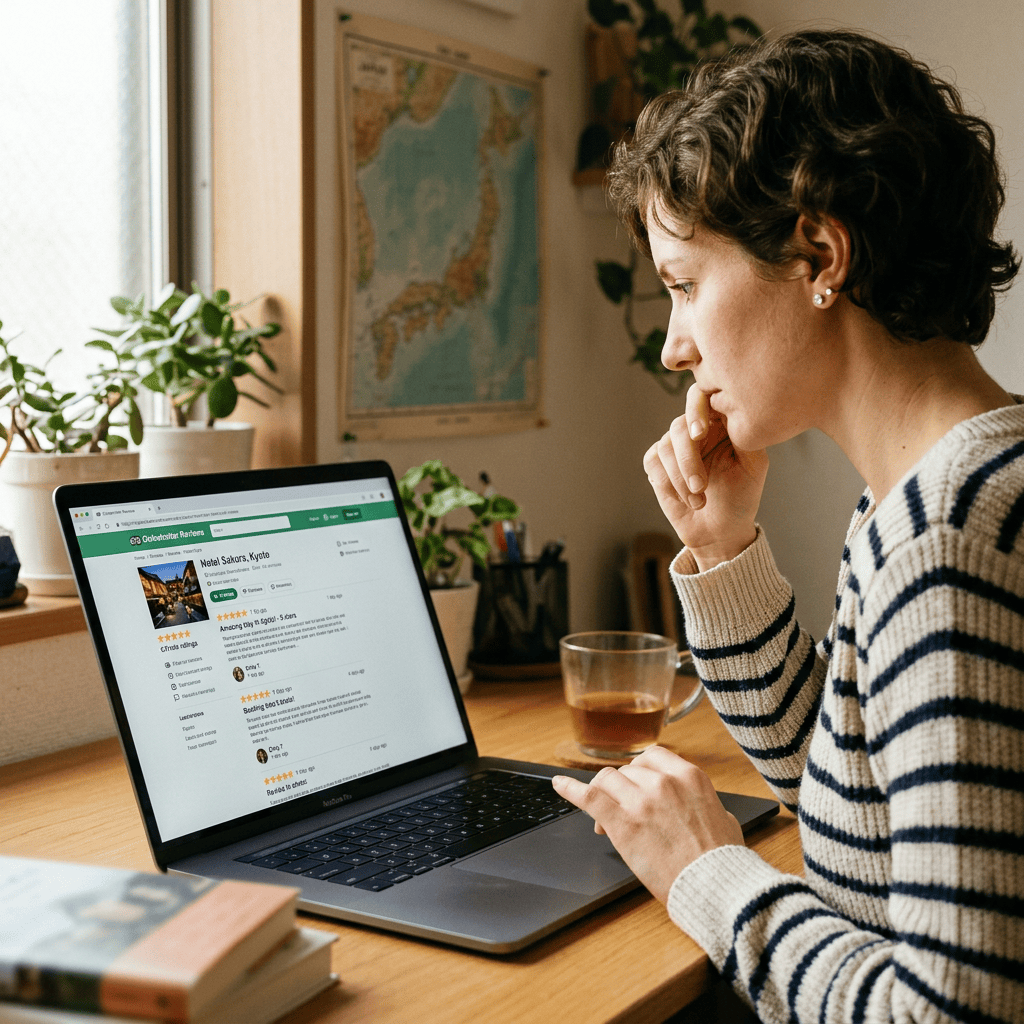
Travel blogs, online communities, and recent traveler reviews can provide practical insights that official tourism websites may not cover in detail. Other travelers may share information about affordable neighborhoods, transportation costs, local restaurants, free attractions, and common tourist expenses.
When researching, prioritize information from people who visited recently, since prices and travel conditions can change. Compare several sources instead of relying on a single review. Pay particular attention to comments about unexpected fees, safety, accessibility, and whether the experience was worth the price.
Social media can also help you discover new destinations, but remember that attractive photos don’t always reflect the actual cost of a trip. Use travel content as inspiration, then verify prices and important details before making reservations.
13. Plan Ahead, but Leave Room for Flexibility
Planning ahead can help you find affordable flights, compare accommodations, and avoid last-minute expenses. However, planning every minute of your vacation can sometimes make it harder to take advantage of unexpected opportunities.
Create a basic itinerary that includes your accommodation, transportation arrangements, must-see attractions, and estimated daily expenses. Leave some free time for spontaneous adventures. If your dates are flexible, compare different trip lengths and departure days to see which combination offers the best overall value. It’s also wise to keep an emergency fund separate from your daily spending budget. Unexpected expenses, such as a missed connection or a sudden change in plans, can happen even to well-prepared travelers.
The goal is to plan enough to protect your budget while leaving yourself free to enjoy the journey.
Final Thoughts: Affordable Travel Is About Smart Choices
Finding affordable travel destinations doesn’t have to be difficult. By comparing destinations, traveling during less expensive periods, researching flights and accommodation, and prioritizing experiences that fit your budget, you can make your travel dreams more achievable.
You don’t need to visit the most expensive cities or stay in luxury hotels to have a meaningful vacation. Sometimes, the most memorable trips happen in places you never considered visiting before.
Start by choosing a few destinations that interest you, estimate their total costs, and compare what each one offers. Be flexible, do your research, and focus on experiences that matter most to you.
Remember: traveling on a budget doesn’t mean traveling less. It means making smarter choices so you can explore more while spending wisely.
Your next adventure might be closer and more affordable than you think. All you need is a plan, a realistic budget, and the courage to start exploring.
-A Little Bit of Everywhere
Let’s Stay Connected!💌
Have questions, travel tips, or your own experience to share? I’d love to hear from you! Leave the comment below or get in touch.











Leave a Reply