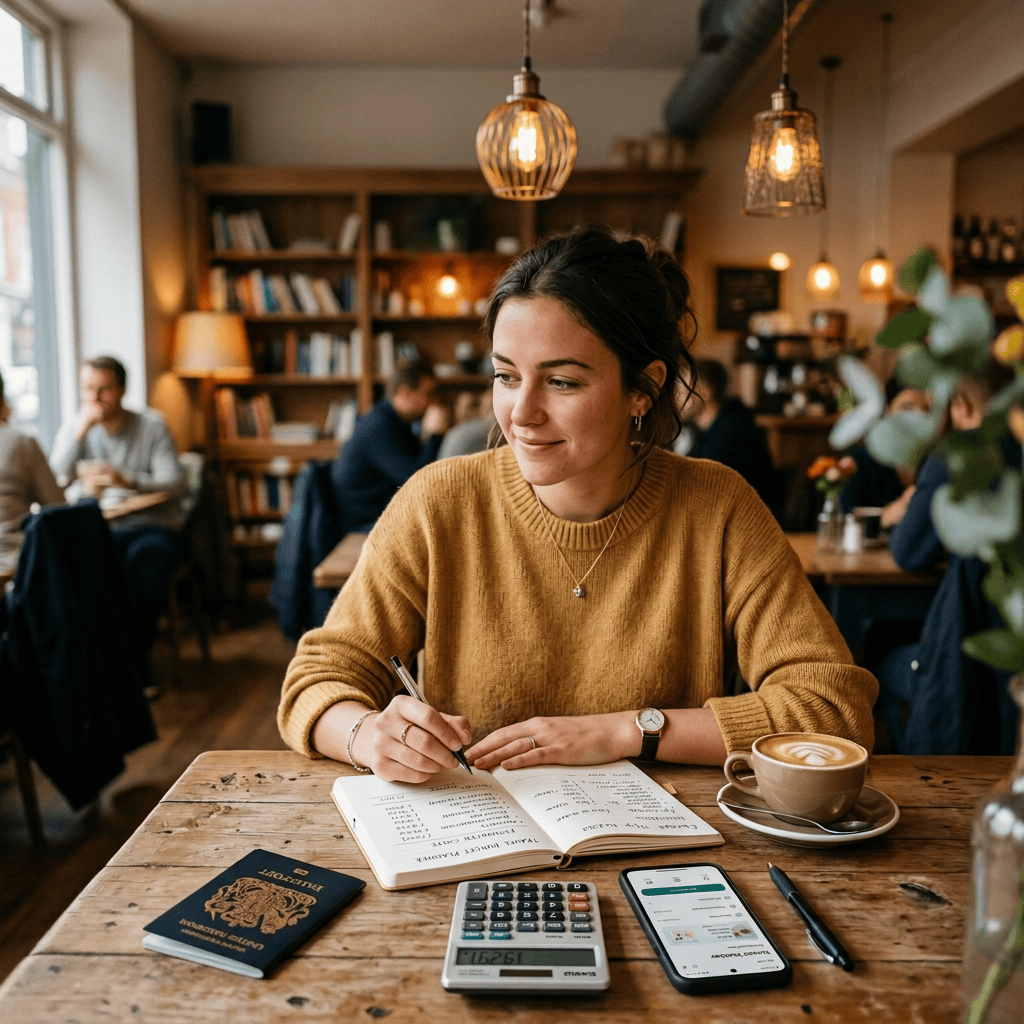
Traveling is one of the best ways to experience new cultures, discover beautiful destinations, try different foods, and create unforgettable memories. But let’s be honest: traveling can also be expensive, especially when you don’t plan your expenses properly.
These days, everyone seems to be talking about travel budget planners, budgeting apps, spreadsheets, and expense trackers. Some people might even think that planning every peso or dollar before a trip is overrated. After all, isn’t traveling supposed to be about freedom, adventure, and enjoying the moment?
While that may be true, having a travel budget planner can actually make your adventures more enjoyable. Whether you’re traveling solo, going on a family vacation, or exploring a new country with friends, planning your budget can help you make smarter decisions without sacrificing the fun.
👉Get Your Free Vacation Guide! BOOK NOW!

What Is a Travel Budget Planner?
A travel budget planner is a tool that helps you estimate, organize, and track your travel expenses before and during your trip. It gives you a clearer picture of how much money you need and where your money will go.
Your travel budget may include:
- Flights and transportation: Airfare, airport transfers, trains, buses, taxis, and public transportation.
- Accommodation: Hotels, hostels, guesthouses, or vacation rentals.
- Food and drinks: Restaurant meals, street food, coffee, snacks, and other dining expenses.
- Activities and attractions: Entrance tickets, tours, amusement parks, and sightseeing activities.
- Shopping and souvenirs: Local products, gifts, and personal shopping.
- Travel insurance and other essentials: Insurance, visa fees, roaming or internet access, and other trip-related expenses.
- Emergency funds: Extra money for unexpected situations or last-minute changes.
By listing these expenses in advance, you can estimate your total travel costs and decide how much you can comfortably afford to spend.
Is a Travel Budget Planner Overrated These Days?
Let’s admit it: travel budget planning has become a popular topic online. From aesthetic budgeting spreadsheets to downloadable travel planners and mobile apps, there are now countless ways to organize your travel expenses.
For some travelers, all this planning can feel overwhelming. They prefer to book a flight, pack their bags, and figure everything out along the way. Others believe that budgeting takes away the excitement of spontaneous adventures.
But here’s the thing: a travel budget planner isn’t about controlling every moment of your trip. It’s about giving yourself more freedom to enjoy it.
You don’t need to calculate every single expense down to the last cent. You simply need a realistic idea of what you can spend, what you need to prioritize, and how much money you should keep for unexpected situations.
Even if travel budgeting seems overrated these days, it still helps a lot of travelers avoid overspending, make informed decisions, and enjoy their trips with greater peace of mind.
Why a Travel Budget Planner Helps Travelers a Lot
1. It Helps You Avoid Overspending
It’s easy to underestimate travel expenses, especially when you’re visiting a destination for the first time. A hotel may look affordable, but transportation, meals, attraction tickets, and other small purchases can quickly add up.
A budget planner helps you consider these expenses before you leave. Instead of spending impulsively and worrying about money halfway through your vacation, you’ll have a better idea of how much you can afford.
2. It Helps You Find Affordable Destinations
Have you ever dreamed of visiting a particular country but weren’t sure if you could afford it?
A travel budget planner can help you compare destinations based on airfare, accommodation, food, transportation, and activities. You may discover that another destination offers a similar experience at a lower cost. Being flexible with your destination, travel dates, and activities can open the door to more affordable adventures.
Remember, an amazing trip doesn’t always have to be expensive. Sometimes, the best experiences come from destinations you never originally considered.
3. It Makes Saving for Travel Easier
Planning a trip becomes less stressful when you know your financial target.
For example, if your estimated trip budget is ₱20,000 and you want to travel in five months, you can aim to save around ₱4,000 per month.
Having a clear goal makes it easier to adjust your everyday spending and set aside money for your next adventure.
Instead of wondering whether you’ll have enough money when your travel date arrives, you can prepare gradually and enjoy the excitement of working toward your goal.
4. It Helps You Prioritize What Matters Most
Every traveler has different priorities.
Some people are willing to spend more on comfortable accommodation, while others prefer to save on hotels and spend more on food, shopping, or unique experiences.
A travel budget planner allows you to identify what matters most to you. You might choose budget accommodation so you can afford a special food tour. You might take public transportation instead of taxis to save money for a memorable activity.
The goal isn’t to spend as little as possible. It’s to spend your money on the experiences that matter most to you.
5. It Prepares You for Unexpected Expenses
Not everything goes according to plan when traveling.
You might need to pay for additional transportation, change a booking, replace a lost essential item, or deal with an unexpected delay. Setting aside an emergency fund can help you handle these situations without immediately affecting the money you need for the rest of your trip.
A little preparation can make a big difference when something unexpected happens.
6. It Lets You Enjoy Your Trip With Less Financial Stress
Imagine spending your vacation constantly checking your bank balance because you’re worried about running out of money.
That isn’t exactly the relaxing getaway you planned, right? When you have a realistic budget, you’ll have a better understanding of what you can spend each day. You can enjoy your meals, activities, and shopping without feeling guilty about every purchase.
Of course, you should still monitor your expenses, but you won’t have to make every decision blindly.
👉Go International and Beyond! Trip.com BOOK NOW!

How to Create a Simple Travel Budget Planner
You don’t need an expensive application or a complicated spreadsheet to get started. A notebook, spreadsheet, or budgeting app can work just fine.
Here are some simple steps to follow.
Step 1: Set Your Total Travel Budget
Decide how much you can comfortably afford to spend. Consider your income, savings, and other financial responsibilities before committing to a trip.
Step 2: Research Your Destination
Check estimated airfare, accommodation prices, local transportation costs, food prices, attraction fees, and other essential expenses. Researching in advance helps you avoid unrealistic expectations.
Step 3: Divide Your Budget Into Categories
Separate your budget into categories such as flights, accommodation, food, transportation, activities, shopping, and emergency funds. This makes it easier to see where most of your money will go.
Step 4: Look for Ways to Save
Compare flight prices, travel during less expensive periods when possible, book accommodation that fits your needs, and explore free or low-cost attractions.
You can also save money by using public transportation, eating at local restaurants, and avoiding unnecessary purchases.
Step 5: Track Your Expenses During the Trip
Keep your receipts or record your purchases in your phone. Compare your actual expenses with your estimated budget so you can adjust your spending when necessary.
Step 6: Leave Room for Spontaneous Adventures
Don’t plan every detail so strictly that you can’t enjoy unexpected opportunities. Leave some money available for a special meal, an unplanned day trip, or something interesting you discover along the way.
The best travel budget is one that gives you structure without taking away your freedom.
Travel Budget Planner Example
Let’s say you’re planning a three-day, two-night trip within the Philippines with a budget of ₱10,000 per person.
Here’s an example of how you might allocate your money:
| Expense | Estimated Budget |
|---|---|
| Transportation | ₱2,500 |
| Accommodation | ₱2,000 |
| Food and drinks | ₱1,500 |
| Activities and entrance fees | ₱1,000 |
| Shopping and souvenirs | ₱800 |
| Emergency fund | ₱1,000 |
| Extra expenses | ₱1,200 |
| Total | ₱10,000 |
Note: These amounts are illustrative estimates, not current price quotes. Your actual expenses will depend on your destination, travel dates, transportation, and personal preferences.
This simple breakdown gives you a starting point. If your transportation costs more than expected, you can adjust another category before your trip rather than discovering too late that you’ve exceeded your budget.
The Best Travel Budget Planner Is the One That Works for You
There are many ways to plan your travel expenses, and you don’t have to follow whatever budgeting trend is popular online.
You can use a simple spreadsheet, write everything in a notebook, create a checklist on your phone, or use a travel budgeting application. Choose a method that’s easy for you to maintain. If you enjoy organizing details, a spreadsheet with separate expense categories might be perfect. If you prefer something quick and simple, a note on your phone may be all you need.
What matters most is that your budget is realistic, easy to understand, and flexible enough to accommodate changes.
Final Thoughts: Plan Your Budget, Then Enjoy the Journey
Travel budget planners may seem overrated these days, especially with all the travel trends and budgeting tools shared online. But their purpose goes beyond following a trend.
They help travelers prepare financially, avoid unnecessary stress, and make better decisions about how they spend their money. Traveling isn’t about having the biggest budget or visiting the most expensive destinations. It’s about experiencing new places, meeting people, trying unfamiliar food, discovering different cultures, and creating memories you’ll treasure for years.
You don’t need to plan every second of your adventure. You just need to prepare enough to give yourself the freedom to enjoy it. So, before booking your next flight, take a little time to plan your travel budget. Your future self might thank you for it!
Remember: Plan your spending, not your happiness. Travel smart, spend wisely, and make every adventure count.
-A Little Bit Everything
👉TRIP 2026 VL CHEAT SHEET! BOOK NOW!



Leave a Reply